Phuket's roads reward a relaxed, alert rider and punish a distracted one. The island packs steep hill passes, sudden beach-town intersections, narrow Old Town lanes, and a fast north-south highway into a relatively small area, and each of these settings asks something different of you and your bike. This guide walks through the specific stretches of road where riders should slow down, look twice, and adjust their riding style — plus how weather, time of day, and bike choice change the risk picture.
None of this is meant to scare you off two wheels — a scooter or motorbike is still the most practical way to see Phuket. The goal is simply to help you recognize the situations that catch visiting riders off guard, so you can ride them with the right amount of caution instead of finding out the hard way. For the fundamentals of safe riding on the island, see our companion guide on general road safety in Phuket.
Why Phuket's Roads Feel Different From What You're Used To
Thailand drives on the left, which alone takes most visitors a day or two to internalize — instinctive glances, roundabout entries, and turning across traffic all happen "backwards" compared to countries that drive on the right. Layer onto that a mix of hilly terrain, dense beach-town traffic, and riders of wildly different experience levels sharing the same lane, and you get a road environment where local knowledge genuinely helps. Below, we go area by area through the parts of the island where extra care pays off.
The Patong–Kamala Hill Pass
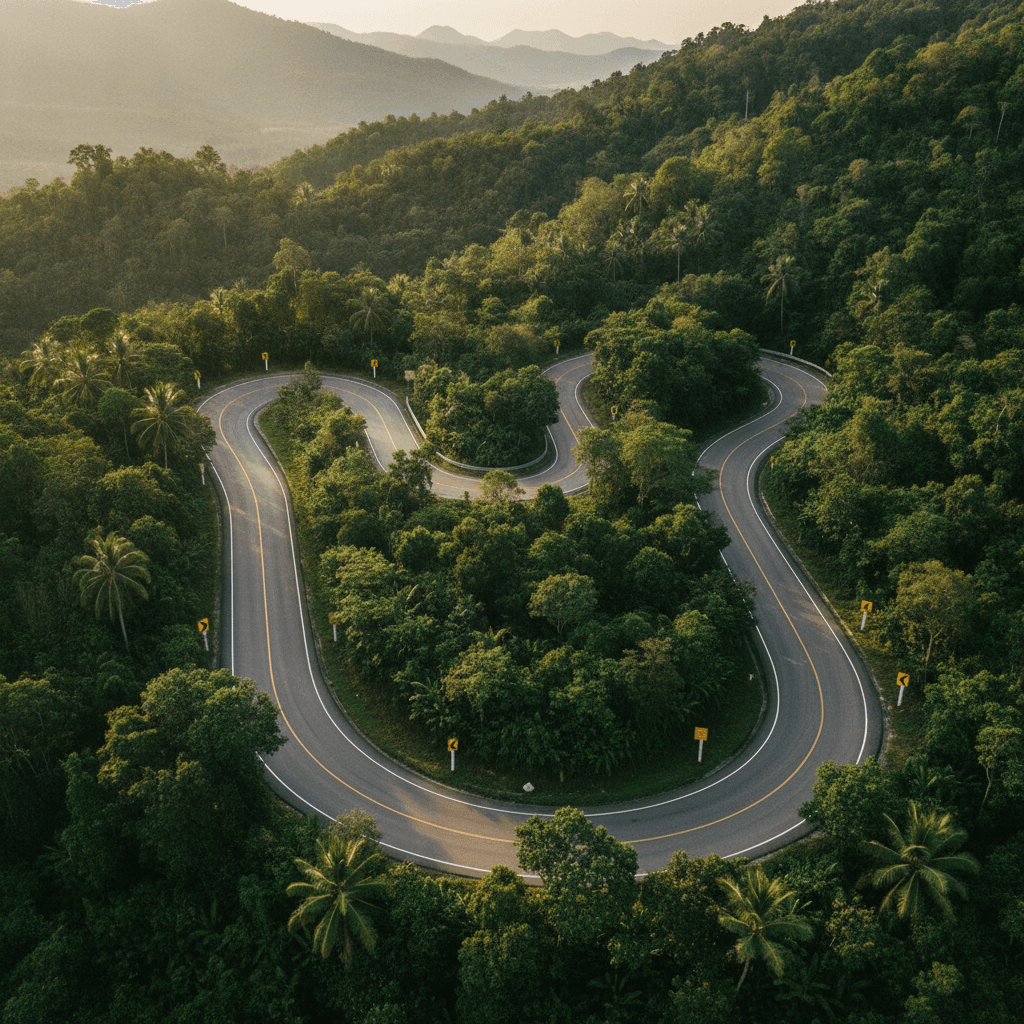
The coastal road connecting Patong and Kamala climbs and drops over a headland, and it's probably the single most talked-about stretch of road among riders in this part of Phuket. It combines several hazards at once:
- Sharp, blind bends where the road doubles back on itself along the hillside, leaving little room to see oncoming traffic until you're already in the curve.
- Steep gradients in both directions — since most rental scooters are automatics with no manual gears, slow down before the descent and use short, alternating pulses of both brakes rather than holding the front brake continuously, which overheats it.
- Fast local traffic — pickup trucks, tour vans, and experienced local riders who know the road well and move quickly, sometimes overtaking on the approach to a curve.
- Viewpoint pull-offs near the top where vehicles slow abruptly or stop without much warning to let passengers take photos of the coastline.
Riding this pass well means staying in your lane position, resisting the urge to cut corners (a habit that works fine on quiet roads but is dangerous when a bike or truck is coming the other way), and treating every blind curve as if something is coming around it — because eventually something will be. If you're on a smaller-engine scooter, expect to lose momentum on the steepest sections; plan your gear changes early rather than trying to power through at the last second.
The Kata–Nai Harn Hill Pass
South of Kata, the road toward Nai Harn and Rawai runs through another hilly, winding section, quieter than the Patong–Kamala pass but with similar characteristics: tight curves, changes in gradient, and stretches where the roadside vegetation or terrain limits sightlines. Because traffic volume is generally lower here, some riders relax more than they should and pick up speed on the straights between curves — which is exactly the wrong instinct on a road where the next bend can arrive faster than expected. Keep your speed conservative through this stretch, particularly in the late afternoon when the sun sits low and can glare directly into your eyes on certain bends.
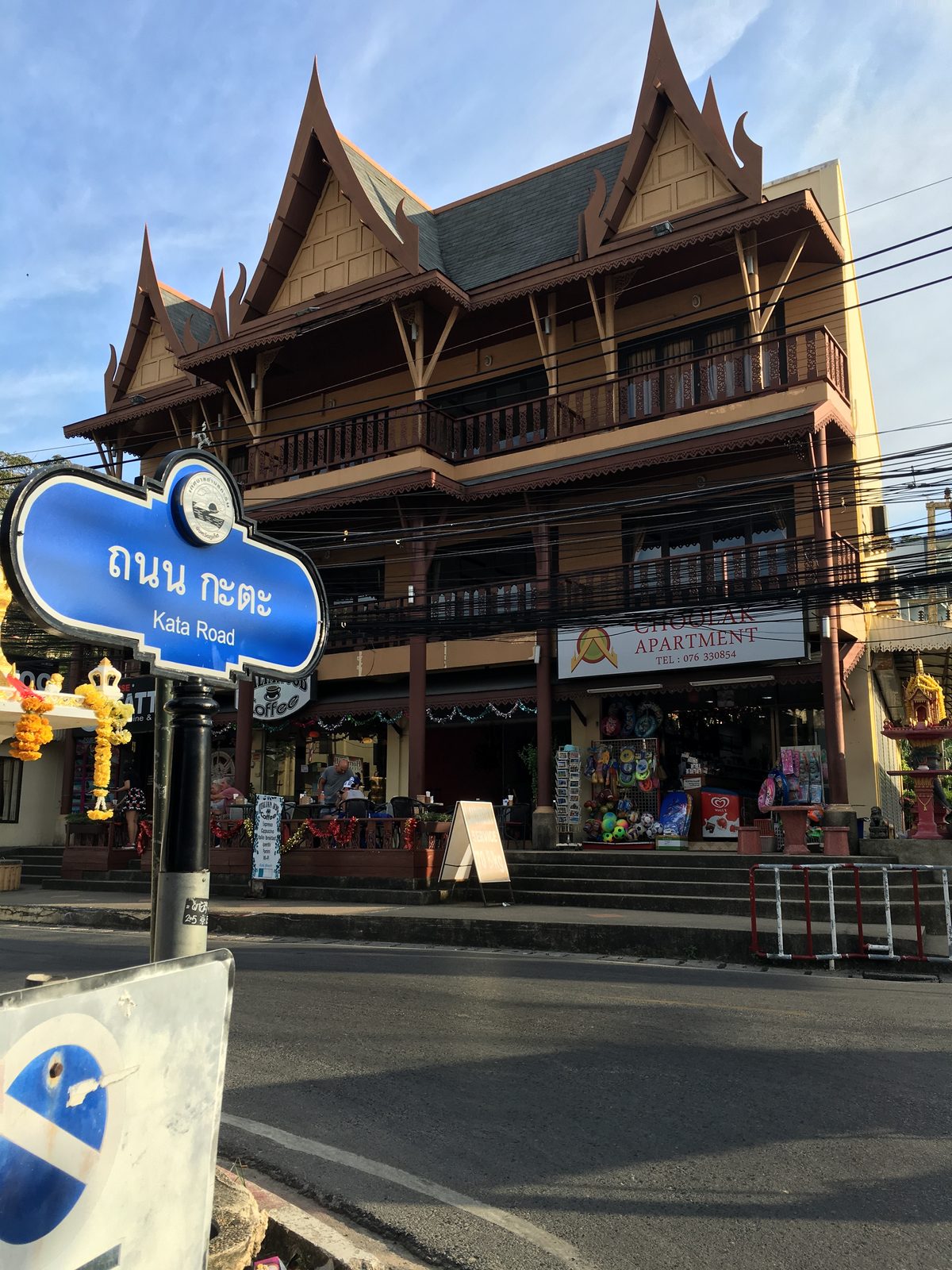
Busy Beach-Town Intersections
It's easy to assume the open hill passes are the main danger zones and that town centers are safer because traffic moves slower — but low speed doesn't mean low risk. The intersections around Patong, Karon, Kata, Bangtao, and Rawai see a constant churn of scooters, tuk-tuks, taxis, delivery bikes, and pedestrians crossing outside marked areas, often near beach access points where visitors are looking at the ocean rather than the road. Typical hazards here include:
- Vehicles pulling out of side sois (small side streets) without stopping or checking for oncoming bikes, since minor roads often don't have working stop signs or clear right-of-way markings.
- Sudden U-turns by taxis and songthaews picking up or dropping off passengers.
- Pedestrians, especially tourists on foot near beach entrances, stepping into the road without looking, since the flow of foot traffic near the sand doesn't always respect the sidewalk.
- Parked or double-parked vehicles narrowing the effective lane width right where you need the most room to react.
In these areas, cover your brake lever, keep your speed down to something you could stop from quickly, and scan every side street as a potential source of a vehicle pulling out — not just the road ahead of you.
Phuket Old Town's Narrow Streets
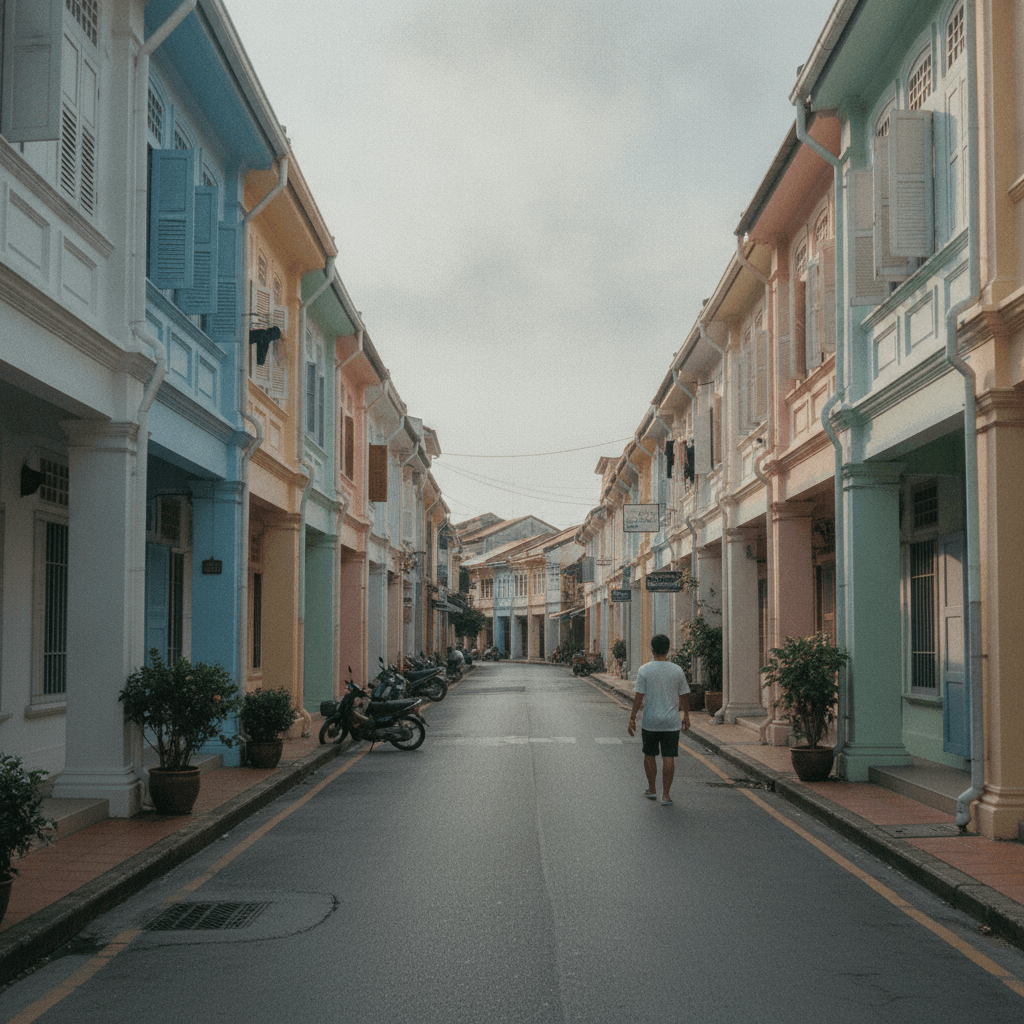
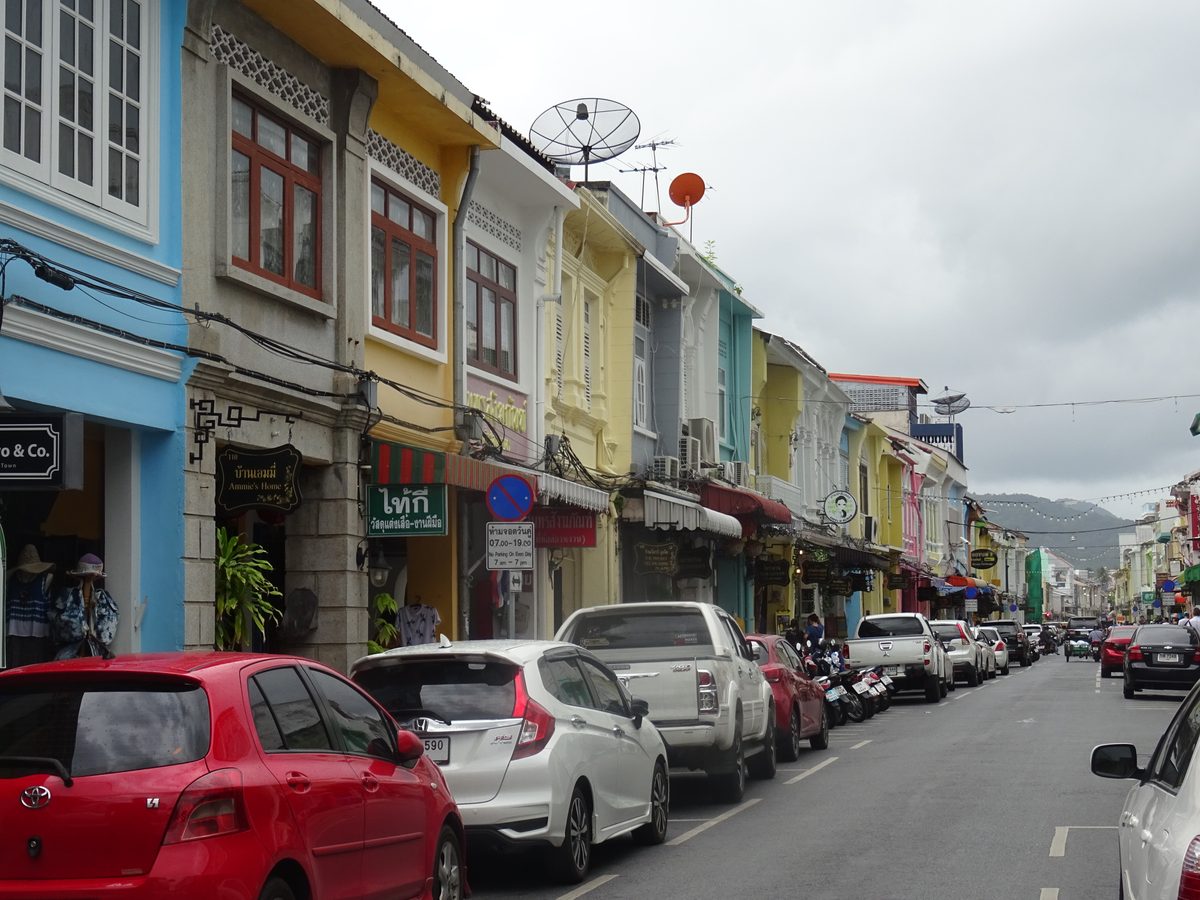
Old Town (Phuket Town) is one of the most rewarding parts of the island to explore by bike, with its Sino-Portuguese shophouses and covered walkways, but its street grid was never designed for modern traffic volumes. The lanes are narrow, one-way systems can be confusing for first-time visitors, and it's common to find:
- Cars and delivery trucks parked half on the road, forcing bikes to swing wide around them into oncoming lanes.
- Pedestrians walking in the road itself where covered arcades and market stalls crowd the sidewalk.
- Sudden door-openings from parked cars along shopping streets.
- Uneven or slippery road surfaces near old drainage channels and market areas, particularly after rain or when produce/water has been hosed onto the pavement.
Old Town is best ridden slowly and deliberately. It's not a place to build speed between lights — treat it more like navigating a crowded car park than a normal street.
The North: Toward the Airport and Mai Khao
Heading north from the central and southern parts of the island toward Phuket Airport and Mai Khao, the road environment changes again. Traffic thins out and speeds rise — this stretch includes faster, more open sections where vehicles, including airport transfer vans and long-distance taxis, travel at higher speeds than you'll typically see near the beaches. The risks here are less about tight curves and more about:
- Higher closing speeds if you need to brake suddenly or if a vehicle ahead stops unexpectedly.
- Merging traffic near airport access roads, where unfamiliar drivers are often looking for signage rather than watching for bikes.
- Long, monotonous stretches that can lower a rider's concentration, especially at the end of a long day.
- Wildlife or debris on quieter sections near Mai Khao, where the road runs closer to less developed land.
On this stretch, resist matching the speed of faster four-wheeled traffic just because the road feels open. Give yourself a bigger following distance, and if you're heading to or from a flight with luggage strapped to the bike, budget extra time so you're not tempted to rush.
Weather-Related Risk: Rain Changes Everything
Phuket's tropical climate means rain showers — sometimes sudden and heavy — are a regular part of riding here, particularly outside the driest months. Wet weather changes the risk profile of every road mentioned above:
- Painted road markings and lane lines become noticeably slippery when wet, especially on hill passes where you're leaning the bike through a curve.
- Metal drain covers and manhole covers, common near town intersections and Old Town streets, offer very little grip in the rain — try to avoid braking or turning directly on top of one.
- Standing water can pool quickly in low points on the road, particularly around Patong and other flat coastal areas, hiding potholes or debris underneath.
- Reduced visibility, both for you and for drivers around you, increases the importance of using your headlight even in daytime rain.
- Hill passes become more demanding as braking distances increase on wet tarmac, so it's worth slowing down well before a curve rather than braking mid-corner.
If a downpour starts while you're riding, the safest move is often to pull over safely, wait it out under cover, and continue once the heaviest rain has passed and the road has had a chance to partially dry. If your bike does break down or you run into mechanical trouble mid-ride, our guide on what to do if your bike breaks down walks through the steps.
Choosing the Right Bike for These Roads
Not every rider needs the same machine, and matching your bike to the roads you'll actually ride makes a real difference to how much margin you have in a tricky moment. A few things worth thinking through before you book:
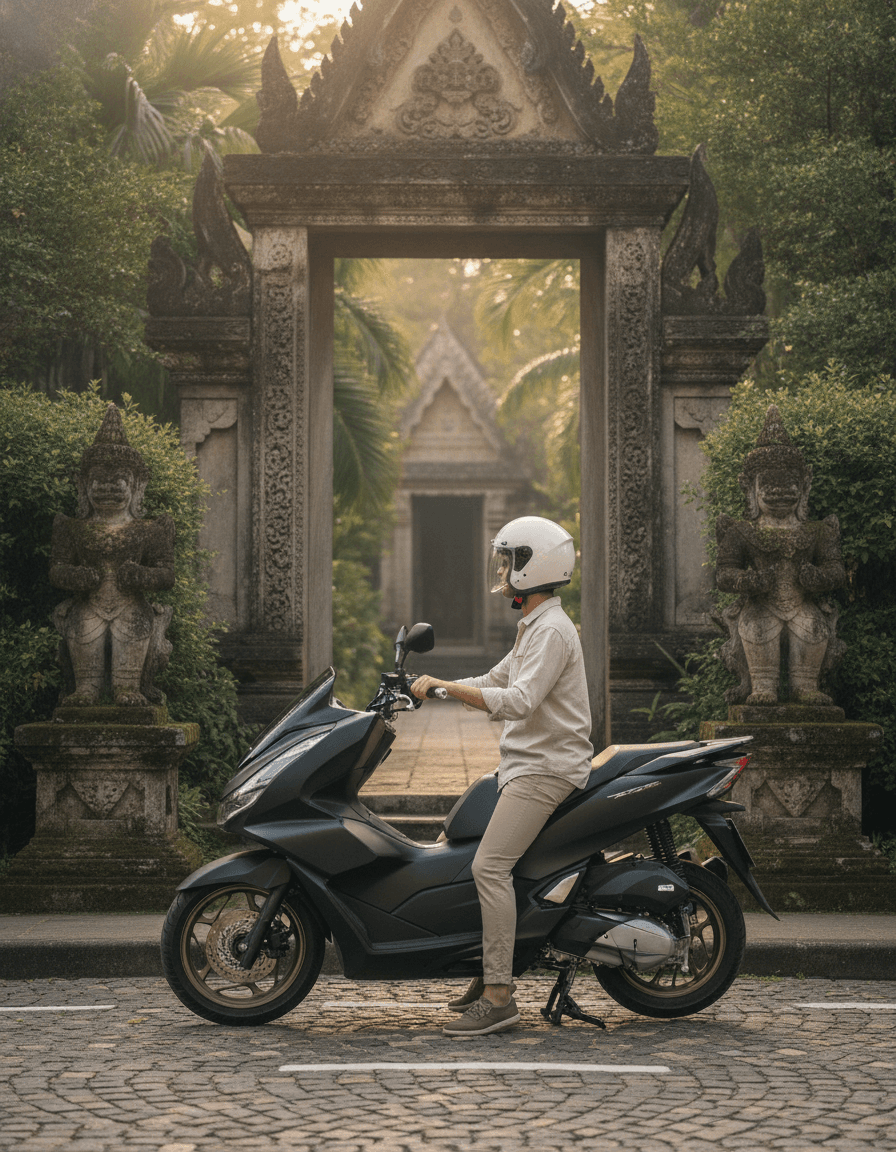
- Small scooters (100–125cc) are fine for flat town riding around Chalong, Bangtao, or short trips near your accommodation, but they can feel underpowered on the Patong–Kamala or Kata–Nai Harn passes, especially two-up with luggage — you'll want to plan overtakes further in advance and expect slower climbs.
- Mid-size automatics and semi-automatics generally handle the hill passes more comfortably, with enough power in reserve to keep pace with traffic on the climbs.
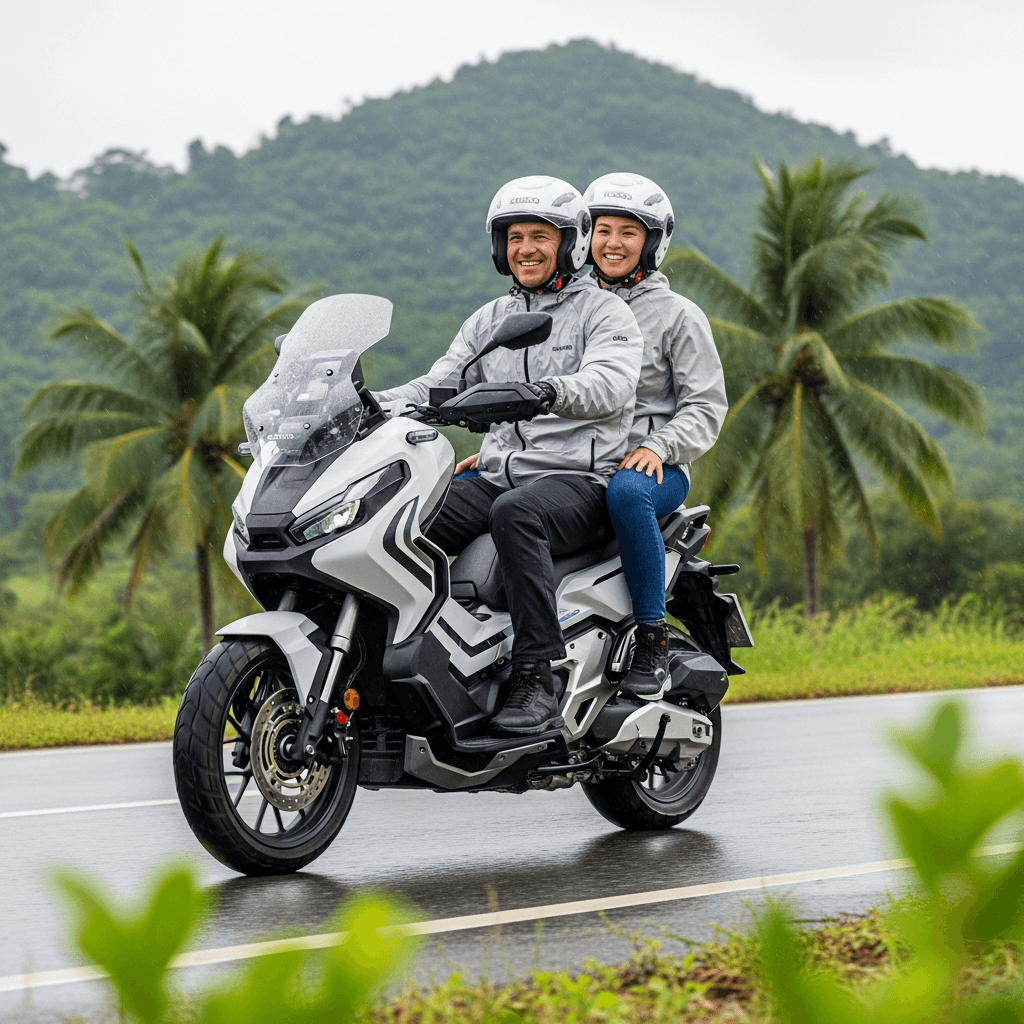
- Larger adventure-style bikes (ADV 160/350 and similar) offer higher ground clearance and more stable handling, which can be reassuring on the north-island stretches or if you plan to explore roads with rougher surfaces, but they're heavier and require more confidence at low speed in tight Old Town lanes.
Think honestly about your experience level and the routes you're planning — a bike that's comfortable for a confident rider on the airport road can feel like a handful for a beginner tackling the Patong–Kamala pass for the first time. For a closer look at what's available, see our guide to the best bike models for Phuket, and browse the full range in our catalog.
Time of Day Matters More Than Most Riders Expect
The same stretch of road can feel completely different depending on when you ride it:
- Morning (before roughly 9am) tends to be the calmest window on most routes, with lighter traffic and cooler temperatures — often the best time to tackle the hill passes if you're still building confidence.
- Midday to late afternoon brings the heaviest traffic near beach towns, tour groups, and delivery vehicles, particularly around lunch and school pick-up times.
- Late afternoon, roughly 4–6pm, adds low sun angles that can glare directly into your eyes on certain curves, especially heading west toward the coast.
- Dusk and night riding bring reduced visibility, and not every vehicle on the road — including some bicycles, songthaews, and even other motorbikes — will have working or well-positioned lights. Streetlighting is inconsistent outside the main tourist strips, and hazards like potholes, animals, or stopped vehicles are much harder to spot in time.
If you have flexibility in your schedule, riding the hill passes in the morning and saving Old Town exploration or beach-town errands for daylight hours generally gives you the most comfortable margins. If you must ride at night, slow down, increase following distance, and make sure your own lights are working before you set off.
General Habits That Help on Every Road Above
- Keep both hands ready near the controls through town centers and hill passes — this isn't the place for one-handed phone checks.
- Cover your brake lever near intersections and side sois, even when you have the right of way, since not every driver will stop.
- Leave extra following distance behind trucks, songthaews, and tour vans, all of which can stop or turn with little warning.
- Wear a properly fastened helmet every time, on every road — it's your single biggest protection on the hill passes and in town alike.
- Know the local traffic rules and typical enforcement points; our guide to motorbike fines and police checks in Phuket covers what to expect.
- Match your speed to the road you're actually on, not the road you wish you were on — a quiet-looking straight can end in a blind curve without warning.
Frequently Asked Questions
Is the Patong–Kamala road really that difficult to ride?
It's a genuinely winding, hilly road with blind curves and mixed local traffic, so it demands more attention than a flat town road — but plenty of riders cover it safely every day by taking it slowly, staying in their own lane, and not trying to overtake on curves. Treat it with respect rather than fear.
Which is more dangerous — the hill passes or the town intersections?
They're risky in different ways rather than one being simply "worse." Hill passes challenge you with curves, gradients, and higher speeds; town intersections challenge you with unpredictable turns, pedestrians, and vehicles pulling out from side streets. Both deserve full attention.
Should I avoid riding at night in Phuket?
You don't need to avoid it entirely, but night riding calls for extra caution: reduce your speed, increase following distance, watch for vehicles and cyclists with poor lighting, and be especially careful on roads without consistent street lighting.
What should I do if it starts raining while I'm riding?
If it's a heavy downpour, the safest option is usually to find safe shelter and wait it out. If you need to keep riding in lighter rain, slow down well before curves, avoid painted lines and metal drain covers, and switch on your headlight for visibility.
Is a bigger bike safer on these roads?
Not automatically — a larger bike like an ADV 160/350 offers more power and ground clearance, which helps on hill climbs and rougher surfaces, but it's also heavier and less forgiving at low speed in tight streets. The safest bike is the one that matches your skill level and the roads you'll actually ride.
Are there specific spots I should be extra careful about pulling into traffic?
Yes — side sois feeding onto main roads near Patong, Karon, and Kata are common spots where vehicles pull out without fully stopping. Approach every side-street junction assuming a vehicle might emerge, even if you technically have the right of way.
Where can I rent a bike suited to these roads?
Chang Thai Rentals has locations at Phuket Airport, Bangtao, Chalong, Phuket Town, and Mai Khao, so you can pick up a bike matched to the routes you're planning near where you're staying. Browse the full lineup in our catalog or check our locations for the pickup point closest to you.
Ready to rent a bike? Choose a motorbike from our fleet!
Go to Fleet