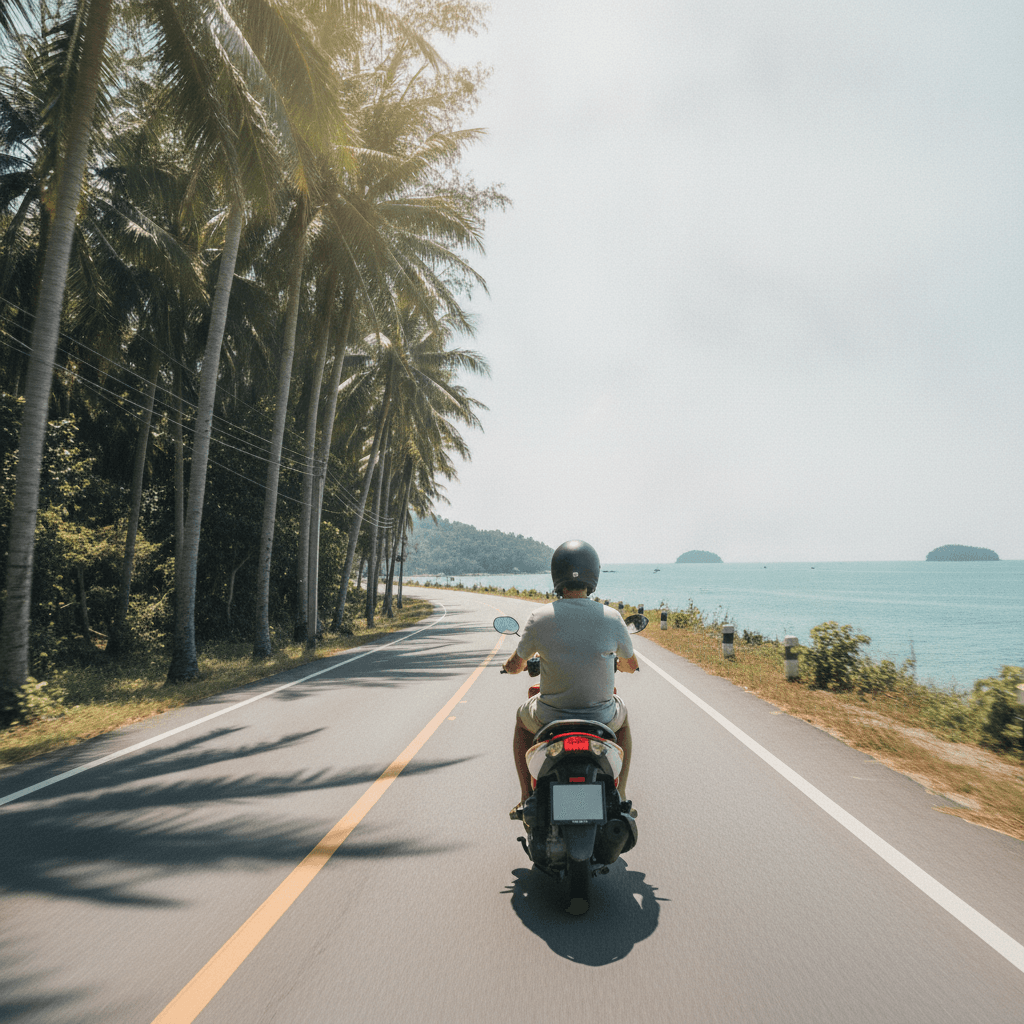
The most effective way to avoid a motorbike accident in Phuket is to slow down, adapt deliberately to left-hand traffic, wear a proper helmet every ride, treat every side street ("soi") as a potential hazard, and avoid riding in heavy rain or after dark unless necessary. Phuket's roads mix scooters, songthaews, tour buses, and pedestrians in a way that rewards caution and punishes assumptions. This guide covers the practical habits that keep riders safe, from the pre-ride check to two-up riding with a passenger.
Before You Start: The Pre-Ride Checklist
Most problems on the road are avoidable if the bike itself is in good condition before you leave the rental counter — or before your first ride each day. Make this a habit, not a one-time formality.
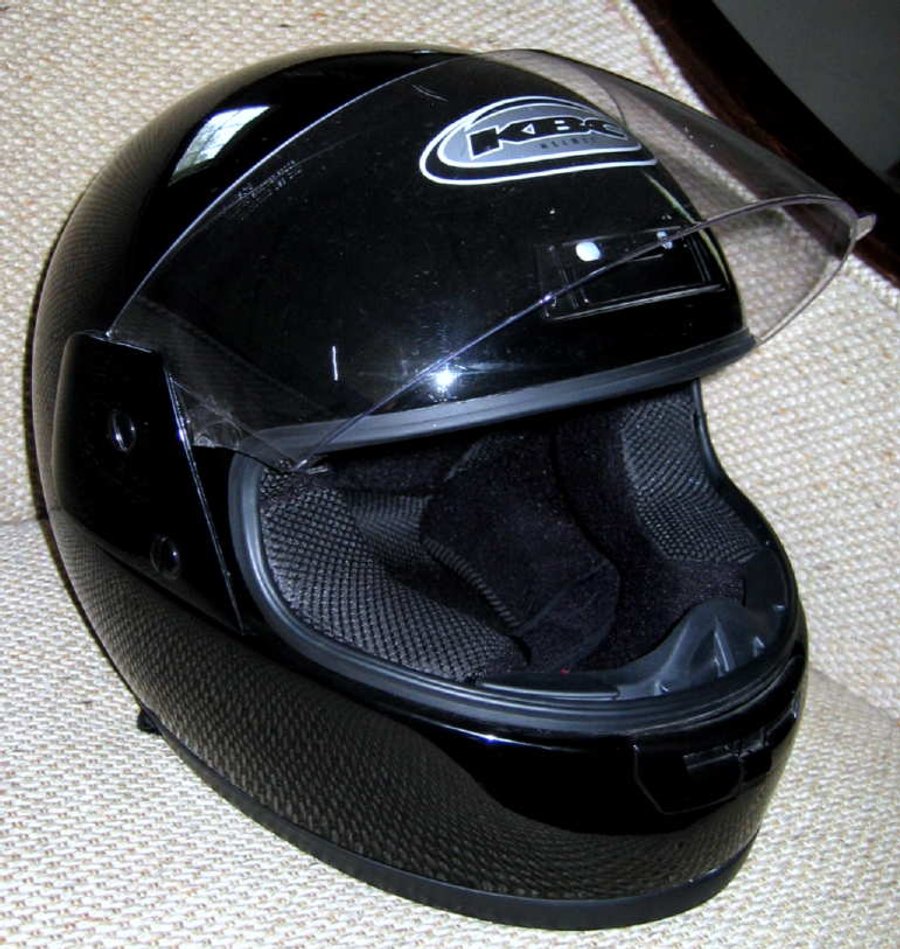
- Helmet: Confirm it fits snugly, the strap fastens securely, and the visor is clean. Thai law requires a helmet for both rider and passenger — no exceptions.
- Tires: Check tread depth and look for obvious wear, cuts, or low pressure. Underinflated tires handle poorly in the rain.
- Brakes: Squeeze the front brake lever and press the rear pedal before moving off. Both should feel firm, not spongy.
- Lights: Test the headlight, brake light, and turn signals. Many close calls happen because another vehicle simply didn't see the bike.
- Mirrors: Adjust both mirrors to your riding position before pulling out into traffic, not after.
- Horn: A working horn is one of the simplest tools for avoiding a collision at a blind soi or intersection.
If anything feels off, raise it before you ride. For a full breakdown of what's covered and what to check at pickup, see our guide on rental prices and terms in Phuket, and if something does go wrong mid-trip, our article on what to do if your bike breaks down walks through the steps.
Adapting to Left-Hand Traffic
Thailand drives on the left, which can be disorienting for riders used to right-hand traffic. Muscle memory takes a day or two to adjust, and most self-inflicted near-misses happen in the first 24–48 hours of riding, usually because a rider defaults back to instincts formed at home rather than actively thinking about lane position.
Practical tips for the adjustment period
- Start in a quiet area. Before heading into traffic, spend 15–20 minutes riding around your accommodation's quieter streets to get a feel for left-side positioning, turning, and lane discipline. This low-stakes practice is where most of the adjustment actually happens.
- Say it out loud. Many riders find it helps to repeat "stay left" mentally — or even out loud under a helmet — at every junction, roundabout, and turn until it becomes automatic rather than something you have to consciously remember.
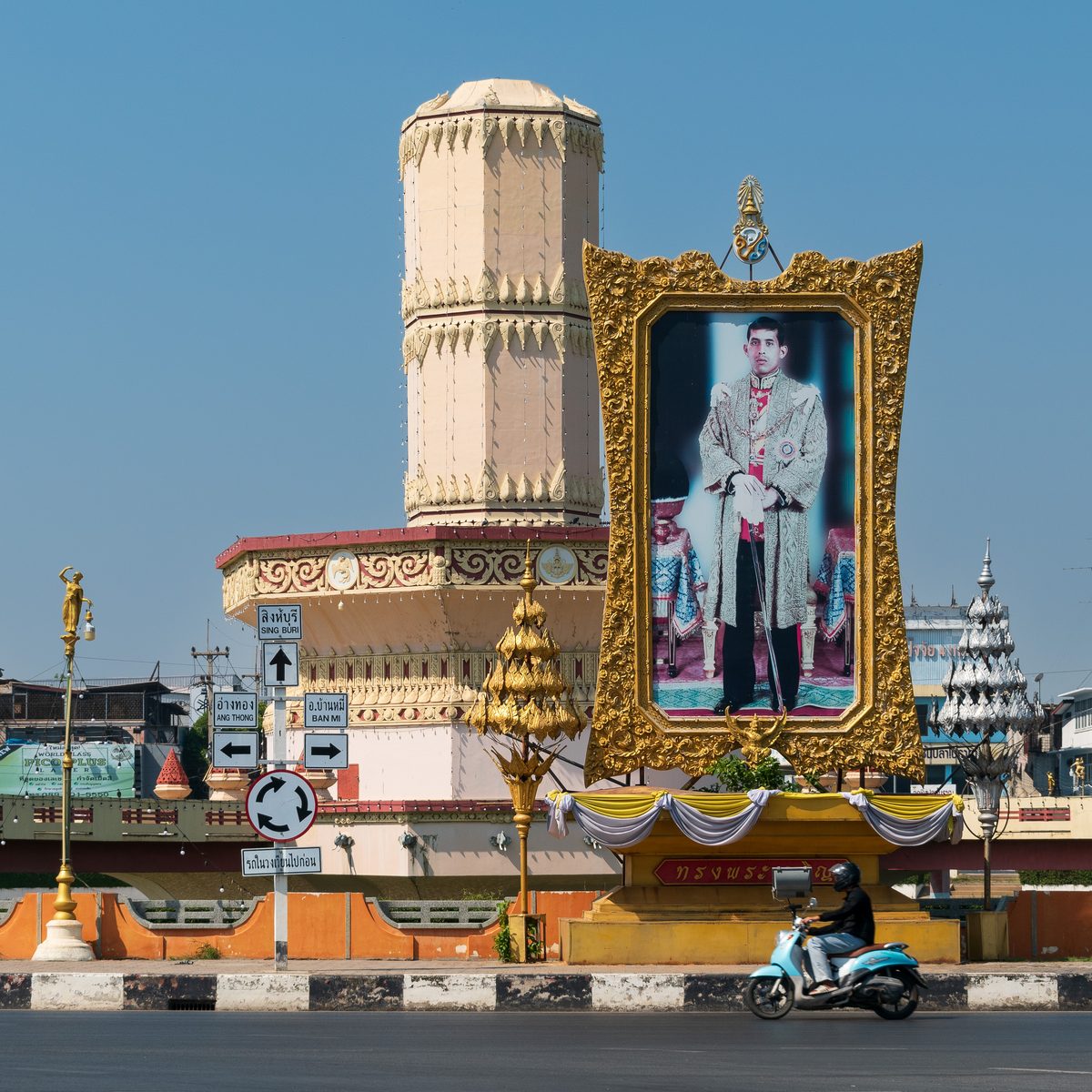
- Watch your instincts at roundabouts. You give way to traffic already on the roundabout coming from your right, and you circulate clockwise, not counterclockwise — the exact reverse of right-hand-traffic countries, which is why roundabouts trip up so many new arrivals.
- Be extra cautious turning right. Right turns in left-hand traffic mean crossing oncoming lanes, the highest-risk maneuver for a new-to-Thailand rider. Wait for a clear, unambiguous gap rather than one that merely looks big enough.
- Stay deliberate for the whole trip, not just the first day — a sense of "feeling normal" after a day or two doesn't mean your instincts have fully reset.
Defensive Riding Around Sois and Intersections
A large share of close calls in Phuket happen at the mouths of small side streets, known locally as sois. Vehicles pull out of these without stopping or checking, often assuming oncoming traffic will simply yield or brake.
- Approaching any soi mouth: Cover your brake lever and reduce speed slightly, even if you have the right of way. Assume a scooter, dog, or pedestrian could emerge without warning.
- Parked vehicles and shopfronts: Doors open, motorbikes reverse out of parking spots, and pedestrians step out between parked cars — especially in Patong, Kata, and Phuket Town, where roadside activity is dense throughout the day.
- Following distance: Keep more space than feels necessary behind tuk-tuks, songthaews, and tour vans, which stop suddenly and unpredictably to pick up or drop off passengers.
- Blind corners on hill roads: Routes like the Patong–Kamala pass or the Kata–Nai Harn hill road have tight bends with limited visibility — see our companion article on Phuket's most dangerous roads for the full breakdown by location.
- Brake fade on long descents: most rental scooters are CVT automatics with no manual gears, so you can't "downshift" the way you would on a manual bike — instead, slow down before the descent starts, and use short, alternating pulses of both brakes rather than holding the front brake continuously. Riding one brake the whole way down overheats it and fades exactly when you need it most. (If you're on an ADV 160/350 with its S-mode paddle shifters, that's the exception — using S-mode downshifts does give real engine braking.)
- Sand and gravel on curves: stretches near unpaved soi entrances or active construction often have loose sand or gravel washed onto the tarmac — brake before the curve, not mid-turn, where losing traction is far more dangerous.
- Eye contact and positioning: Where possible, make eye contact with drivers waiting to pull out, and position yourself where you're visible in their mirrors rather than in a blind spot.
Riding in the Rain
Phuket's rainy season brings sudden, heavy downpours, and wet roads change how a bike handles in ways that catch new riders off guard.
- Painted road markings and metal surfaces — lane lines, pedestrian crossings, drain covers — become noticeably slippery when wet. Avoid braking or turning sharply directly on top of them.
- Slow down earlier than you would in the dry, and increase following distance, since braking distances lengthen on wet asphalt.
- If a downpour starts suddenly, it's often safer to pull over under cover and wait a few minutes for the heaviest rain and worst visibility to pass, rather than pushing through at normal speed.
- Check your tires and brakes are in good condition before rainy-season riding — see the pre-ride checklist above.
- Rain gear improves visibility to other drivers as well as your own comfort — a bright poncho makes you easier to see in low light and heavy rain.
Riding at Night
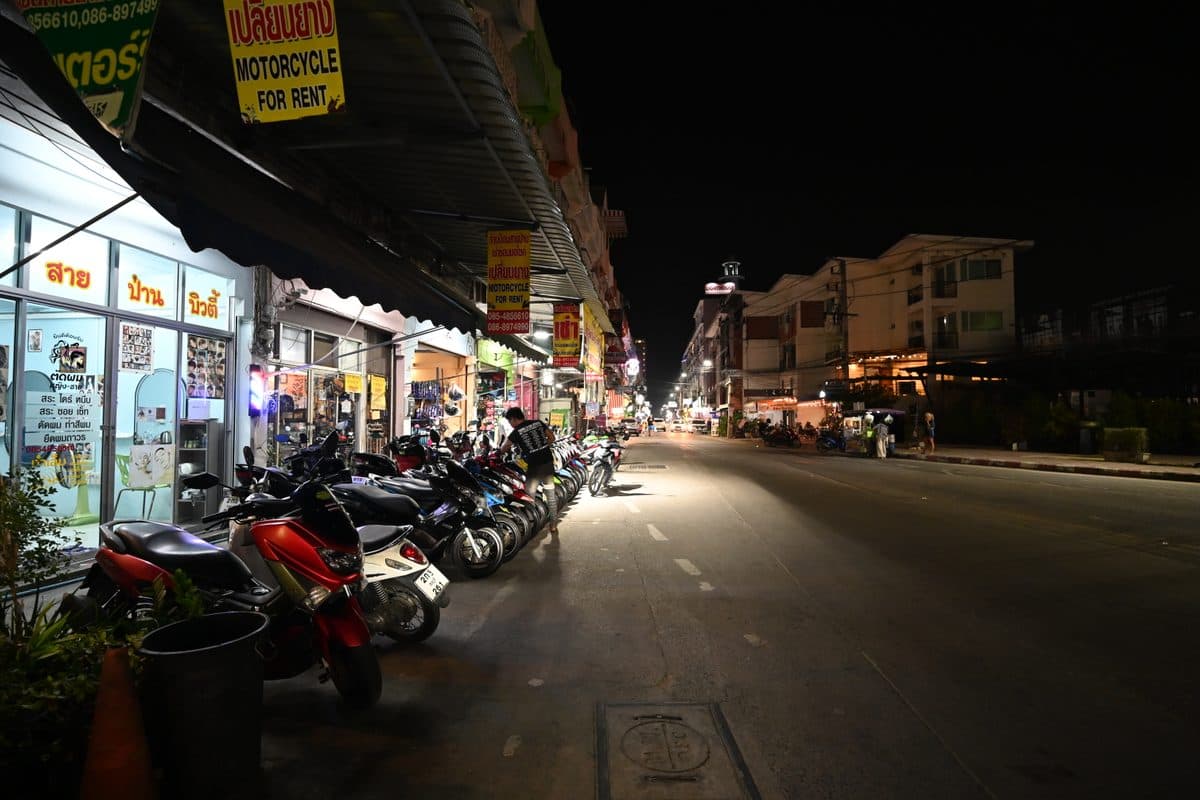
Night riding in Phuket comes with reduced visibility, tired drivers, and — outside the main tourist strips — poorly lit rural roads.
- Confirm your lights work before heading out after dark; this is doubly important at night since it's the main way other vehicles register your bike's position.
- Reduce speed on unlit roads outside town centers, where potholes, animals, and unmarked turns are harder to spot in time.
- Stray dogs on the road: soi dogs often rest on tarmac that's still warm after dark, especially on quieter rural stretches — slow down early rather than swerving sharply at speed if one's ahead.
- Watch for unlit vehicles and pedestrians, particularly near beach roads and rural junctions where street lighting is limited.
- Avoid unfamiliar routes at night if possible — plan your route while it's still light out, especially if you're new to the island.
- Fatigue matters: a short break before a night ride home helps keep reaction times sharp after a long day out.
Riding Two-Up (With a Passenger)
- Both rider and passenger must wear helmets — a legal requirement, not optional gear.
- Choose a bike suited to two-up riding. A small 110cc scooter can feel underpowered with two adults aboard, especially on hills — see our guide to the best bike models in Phuket.
- Brief your passenger: hold on securely, keep feet on footpegs, lean naturally with the bike through turns.
- Allow for reduced acceleration and longer braking distances: a loaded bike is slower off the line at traffic lights and needs more room to stop — build in extra following distance before you need to brake, not in the moment.
- Load balance matters: strap heavy bags low and close to the bike's centre, not high on the passenger's back — weight carried high shifts the centre of gravity and noticeably hurts handling through turns.
Gear Beyond the Helmet
- Closed-toe shoes instead of flip-flops, which offer no protection in even a minor fall.
- Long trousers reduce scrapes common in low-speed drops on tarmac.
- A light jacket adds a layer between skin and road surface.
- Gloves protect hands, which instinctively brace in a fall.
Documentation and Insurance
Every rental with us includes Thai government compulsory insurance (Por Ror Bor), and foreign riders should carry a valid Thai Category A license or an IDP with motorcycle category at all times. It's worth understanding what that compulsory insurance actually covers: it pays basic medical costs for third parties injured in an accident — it does not cover repairs to the rented bike itself or damage to someone else's property. See our article on motorbike licenses and IDPs in Thailand, and our guide on motorbike insurance in Thailand for what additional cover is worth considering. Carrying valid documents isn't just a legal formality — it also matters if you're ever involved in an accident, since insurance claims can be complicated by a missing or invalid license.
Common Mistakes New Riders Make
- Riding in flip-flops. It feels natural on a tropical island, but bare feet or open sandals offer zero protection if your foot touches down awkwardly at a stop or in a minor drop.
- Assuming other riders will follow the rules. Many local riders weave, undertake, and ignore signals — plan your own riding around what others might do, not what they should do.
- Riding two-up on a bike that's really built for one. An underpowered small scooter with two adults and luggage struggles on hills and takes longer to stop — see our guide to choosing the right bike.
- Underestimating rain. A short, sudden downpour can turn a dry road slick within seconds — always assume conditions can change quickly during Phuket's wetter months.
- Skipping the pre-ride check because the bike "looks fine." A 30-second check of tires, brakes, and lights takes far less time than dealing with a problem mid-ride.
Frequently Asked Questions
Is it safe to ride a motorbike in Phuket?
Riding in Phuket is manageable for careful, prepared riders. The main adjustments are getting used to left-hand traffic, staying alert around sois and intersections, and matching your speed and route to conditions.
What if I've never ridden on the left side of the road before?
Give yourself time. Practice in a quiet area near your accommodation before entering busier roads, and be especially careful with right turns and roundabouts.
Do I need gear beyond a helmet?
Only a helmet is legally required, but closed-toe shoes, long trousers, a light jacket, and gloves meaningfully reduce injury in a low-speed fall. For hill routes or rainy-season riding, reflective elements on your jacket and knee protection are worth the extra packing space.
Is it safe to ride at night in Phuket?
Night riding is riskier due to reduced visibility, so confirm your lights work, slow down on unlit roads, and avoid unfamiliar rural routes after dark where possible.
Can I ride with a passenger on any bike in our fleet?
Most bikes support two-up riding, but a larger-displacement option handles better with two people aboard, especially on hills. Check our full catalog for options.
What should I do if I feel unsafe partway through a rental?
Pull over safely, reassess the route or conditions, and if the bike feels mechanically wrong, see our guide on what to do if your bike breaks down.
Browse our full fleet to find a bike suited to your experience level and trip, or visit one of our five locations across Phuket to get started.
Ready to rent a bike? Choose a motorbike from our fleet!
Go to Fleet